


Moroccan Culture and Etiquette – What You Need to Know Before You Go
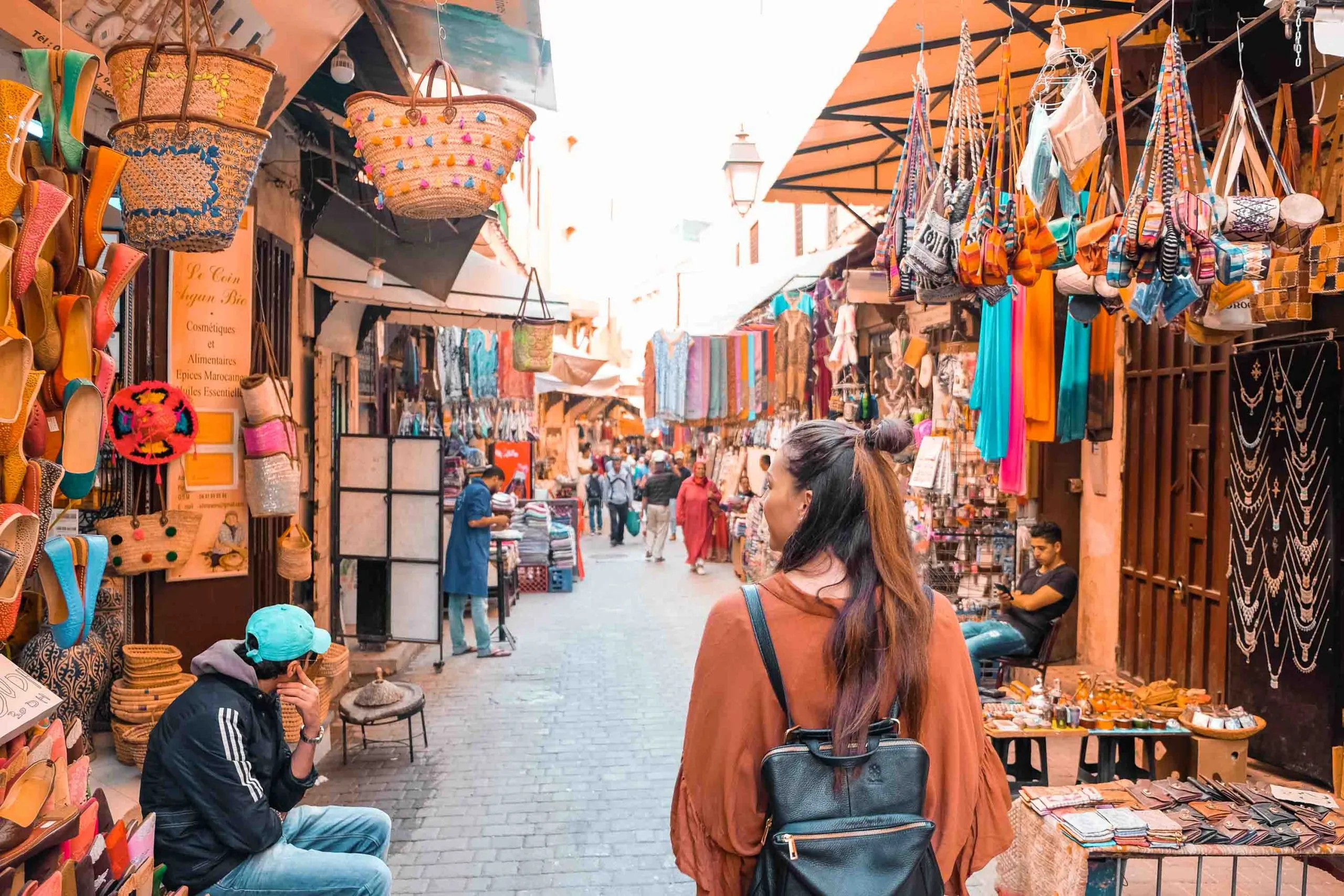
Morocco is a land of hospitality, ancient traditions, and incredible diversity. From the bustling medinas of Fes to the golden dunes of the Sahara, every corner of the country reflects a rich cultural heritage. To make the most of your trip, it’s important to understand Moroccan culture and local etiquette.
Here’s your complete guide to navigating Morocco with respect, confidence, and authenticity.
1. Understanding Moroccan Culture: Where Tradition Meets Modern Life
Situated between Europe and Africa, Morocco is a cultural crossroads. Its identity is shaped by Berber (Amazigh) roots, Arab heritage, African influences, and Andalusian history.
Today, Morocco balances modern living with deep traditional values, especially in cities like Casablanca, Rabat, and Marrakech.
Core Moroccan Values
-
Family comes first — it’s the cornerstone of Moroccan society.
-
Religion (Islam) shapes daily routines, greetings, and celebrations.
-
Hospitality is sacred — guests are always treated with generosity and respect.
2. Greetings and Politeness in Morocco
Greetings are an essential part of Moroccan social life.
The most common greeting: “Salam alaykom” (peace be upon you), to which you respond “Wa alaykom salam.”
Basic Etiquette Rules
-
A light handshake between men is customary.
-
Between men and women, wait for the woman to extend her hand first.
-
Kissing on the cheeks is common between close friends or relatives of the same sex.
-
Always greet the eldest person first — it shows respect.
Many travelers search for “how to greet people in Morocco” or “Moroccan customs and manners.” Including these keywords can help your blog rank higher.
3. The Art of Hospitality and Moroccan Mint Tea
Hospitality is at the heart of Moroccan culture, and tea is its symbol. The famous mint tea (often called “Moroccan whiskey”) is served with pride and love.
When you’re invited into someone’s home:
-
Remove your shoes before entering, especially in traditional homes.
-
Accept at least one glass of tea — refusing might be seen as rude.
-
Compliment the house or the food; it’s always appreciated.
4. Respecting Religious Traditions
Islam is an integral part of Moroccan life.
During Ramadan, avoid eating, drinking, or smoking in public during daylight hours out of respect for those who are fasting.
-
Mosques are generally closed to non-Muslims, except for special cases (like the Hassan II Mosque in Casablanca).
-
Dress modestly, especially in rural or conservative areas.
5. What to Wear in Morocco
While Morocco is relatively liberal compared to other Muslim-majority countries, modesty is still appreciated.
For Women
-
Loose, light, and modest clothing works best.
For Men
-
Avoid tank tops or very short shorts, especially in traditional neighborhoods.
what to wear in Morocco, Morocco dress code, how to dress in Marrakech.
6. Useful Moroccan Arabic (Darija) Phrases
Learning a few local words goes a long way — Moroccans love it when visitors make the effort!
| English | Darija (Moroccan Arabic) |
|---|---|
| Hello | Salam alaykom |
| How are you? | Labas? |
| Goodbye | Bslama |
| Thank you | Shukran |
| You’re welcome | La shukran 3la wajib |
| Beautiful | Zwin(a) |
Even simple greetings can turn a casual encounter into a warm, memorable exchange.
7. Things Not to Do in Morocco
To avoid misunderstandings or offense, keep these in mind:
-
Don’t discuss religion or politics with strangers.
-
Don’t photograph people without asking first.
-
Avoid public displays of affection.
-
Don’t haggle aggressively in souks — bargaining is a friendly art, not a fight.
8. Cultural Experiences You Shouldn’t Miss
-
Dinner in a traditional riad in Fes or Marrakech.
-
Attend a Gnawa music festival in Essaouira.
-
Explore Berber villages in the Atlas Mountains.
-
Take a Moroccan cooking class and learn how to make tagine or couscous.